is alternate fasting healthy How to follow an intermittent fasting schedule with 6 different methods
Alternate fasting and intermittent fasting are two popular methods of restricting calorie intake that have taken the health and fitness world by storm. Alternate fasting, also known as alternate day fasting, is a form of intermittent fasting that involves alternating between days of unrestricted eating and days of calorie restriction. This method of fasting has gained traction among those looking to lose weight, improve their health, and manage chronic conditions like diabetes and heart disease. One of the main benefits of alternate fasting is weight loss. By restricting calorie intake on alternate days, individuals can create a calorie deficit, which can lead to weight loss over time. Additionally, alternate fasting has been shown to improve insulin sensitivity, reduce inflammation, and lower blood pressure and cholesterol levels, all of which contribute to better overall health. Like other forms of intermittent fasting, alternate fasting can be challenging to maintain in the long term. It requires discipline and commitment to stick to a strict eating schedule, and the days of calorie restriction can be difficult to get through. However, some individuals find that the structure and routine of alternate fasting help them stay on track with their health goals. To get started with alternate fasting, it’s important to consult with a healthcare professional and discuss any concerns or potential risks. It’s also important to choose nutrient-dense foods on the days of unrestricted eating, as this can help support overall health and wellness. Now, let’s take a closer look at some of the benefits and potential drawbacks of alternate fasting. Weight Loss: Alternate fasting can be an effective way to lose weight, as it creates a calorie deficit by restricting calorie intake on alternate days. This can lead to steady weight loss over time, as long as individuals maintain the fasting schedule consistently. Improved Insulin Sensitivity: Alternate fasting has been shown to improve insulin sensitivity, which can help prevent or manage conditions like diabetes. By restricting calorie intake, the body becomes more efficient at using insulin to transport glucose into cells, reducing the risk of insulin resistance and related health complications. Reduced Inflammation: Chronic inflammation is a risk factor for a wide range of health issues, including heart disease, cancer, and autoimmune disorders. Alternate fasting has been shown to reduce inflammation markers in the body, potentially reducing the risk of these conditions. Lowered Blood Pressure and Cholesterol: Alternate fasting has also been shown to lower blood pressure and cholesterol levels, both of which are major risk factors for heart disease. By improving these markers, alternate fasting may help reduce the risk of heart disease and related complications. Difficulty Maintaining Long-term: One of the drawbacks of alternate fasting is that it can be challenging to maintain in the long term. The days of calorie restriction can be difficult to get through, and individuals may struggle to stick to the strict eating schedule over time. May Be Unsuitable For Certain Individuals: Alternate fasting may not be suitable for everyone, particularly those with certain medical conditions or a history of disordered eating. It’s important to consult with a healthcare professional before starting any new diet or fasting regimen. In conclusion, alternate fasting is a form of intermittent fasting that involves alternating between days of unrestricted eating and days of calorie restriction. This method of fasting has been shown to promote weight loss, improve insulin sensitivity, reduce inflammation, and lower blood pressure and cholesterol levels. However, it can be challenging to maintain in the long term and may not be suitable for everyone. As with any new diet or fasting regimen, it’s important to consult with a healthcare professional before getting started.
If you are looking for What Is Alternate Day Fasting? Health Benefits and More | The Healthy you’ve came to the right place. We have 5 Images about What Is Alternate Day Fasting? Health Benefits and More | The Healthy like 7 types of Intermittent Fasting - Weight Loss, Diet, and More - Dr, Alternate-Day Fasting Schedules: What You Need to Know | The Healthy and also Alternate Fasting vs. Intermittent Fasting | The Healthy. Here it is:
What Is Alternate Day Fasting? Health Benefits And More | The Healthy
 www.thehealthy.comfasting
7 Types Of Intermittent Fasting - Weight Loss, Diet, And More - Dr
 jamesknellermd.comfasting intermittent
Alternate-Day Fasting Schedules: What You Need To Know | The Healthy
 www.thehealthy.comworking fasting intermittent wirken entspannend televisie periods why longevity schedules reasons homeoffice apakah jawabannya bekerja berikut slecht livestrong berlitz distracciones
How To Follow An Intermittent Fasting Schedule With 6 Different Methods
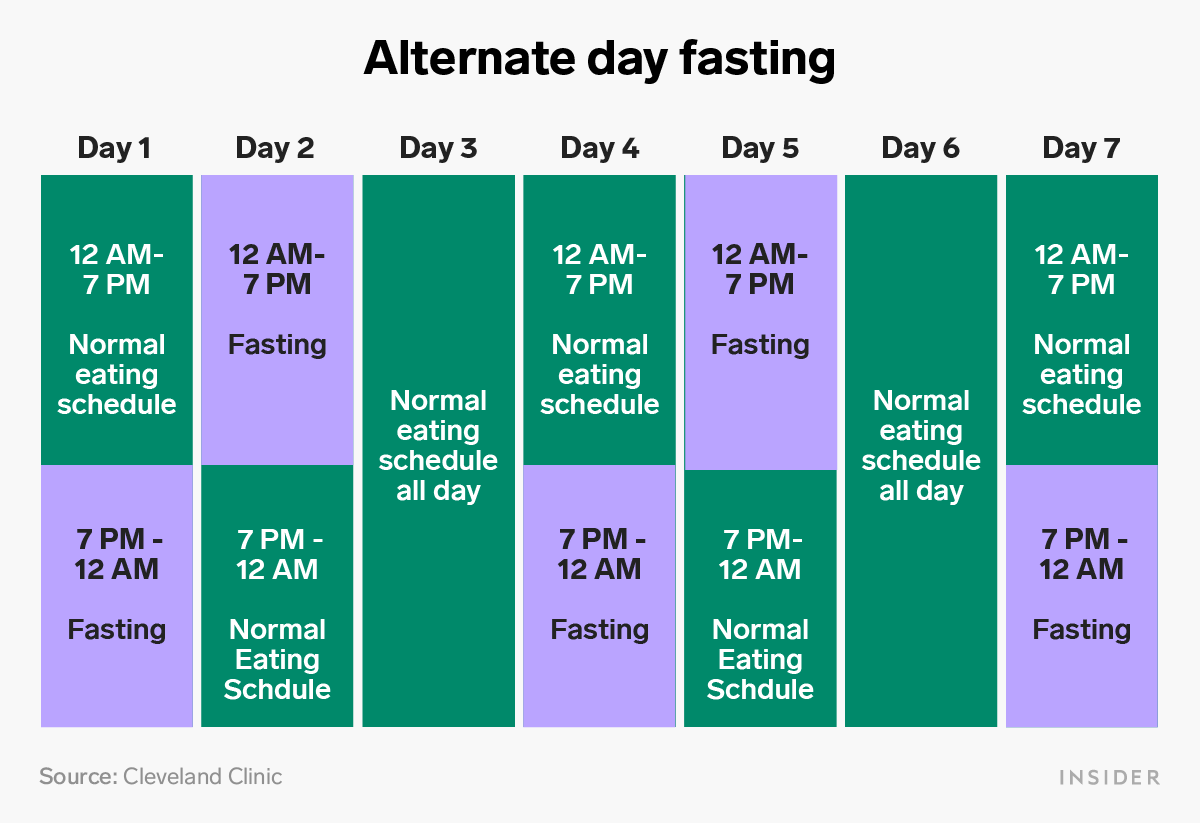 www.businessinsider.nlfasting intermittent alternate always
Alternate Fasting Vs. Intermittent Fasting | The Healthy
 www.thehealthy.comfasting intermittent
Fasting intermittent. 7 types of intermittent fasting. Alternate fasting vs. intermittent fasting